
The Importance of Truth in Today’s World
In a world that thrives on information, the importance of truth has never been more important. The rapid growth of the internet and social media platforms has made it easier than ever for information—both true and false—to spread at lightning speed. While this has its benefits, it also opens the door for defamation, manipulation, and the spread of fake news. In today’s era, where fake and unverified information can destroy lives, reputations, and entire families, we must place a renewed emphasis on the value of truth.
The Rise of Misinformation and Defamation
It’s easy to understand why misinformation has become so prevalent. The internet allows anyone to publish content with little oversight or fact-checking. Social media platforms amplify messages, regardless of their accuracy, and clickbait headlines are designed to capture attention without regard for the truth behind them. This creates an environment where rumors and falsehoods can spread quickly, often with little to no accountability for those who start them.
The consequences of this can be devastating. False information can destroy someone’s reputation, ruin relationships, and even lead to legal or financial ruin. In extreme cases, fake news or slander can contribute to loss of life or harm entire communities. The anonymity provided by the internet makes it easy for malicious individuals or groups to spread damaging information without fear of repercussions.
People can be slandered for a variety of reasons—money, revenge, personal gain, or even as a tactic to undermine a competitor. Unscrupulous journalists may amplify misleading narratives, and social media can turn baseless accusations into trending topics. This combination of factors means that reputations can be tarnished almost overnight by things that are not true.
Truth as a Shield and Foundation
In the face of this rising tide of misinformation, it is essential to remember that truth remains a powerful force. While falsehoods may have the power to temporarily distort reality, they are ultimately exposed over time. Truth, on the other hand, is a foundation that cannot be shaken by baseless accusations or transient gossip.
A person’s true legacy is not shaped by rumors or false reports. Instead, it is built on their actions, their character, and their contributions. The impact one has on society, the good they do for others, and the respect they earn from their peers are the true markers of their worth.
In particular, when it comes to those working in fields that demand integrity and dedication—such as law enforcement, healthcare, or humanitarian work—eyewitness testimonies, well-earned awards, and recognition from veterans or respected peers serve as the truest testament to their work. These are the elements that provide an objective measure of an individual’s contributions and allow society to form an accurate understanding of their role.
The Power of Legacy
Legacy is something that is built over time. It is shaped by a person’s real deeds, not by the fleeting moments in which they are misrepresented. When we look back at the history of great figures—whether in law enforcement, politics, or any other field—we often see that their legacies were cemented by their actions, the lives they touched, and the recognition they received from those who truly understood their work.
For example, law enforcement officers or other public servants who risk their lives for the safety and well-being of others may have their accomplishments obscured by false accusations or smear campaigns. But the true measure of their work comes not from the lies told about them but from the lives they saved, the crimes they solved, and the lasting impact they made on their communities. The acknowledgment they receive from their peers and veterans in the field becomes the lasting proof of their value to society.
The Role of Media in Promoting Truth
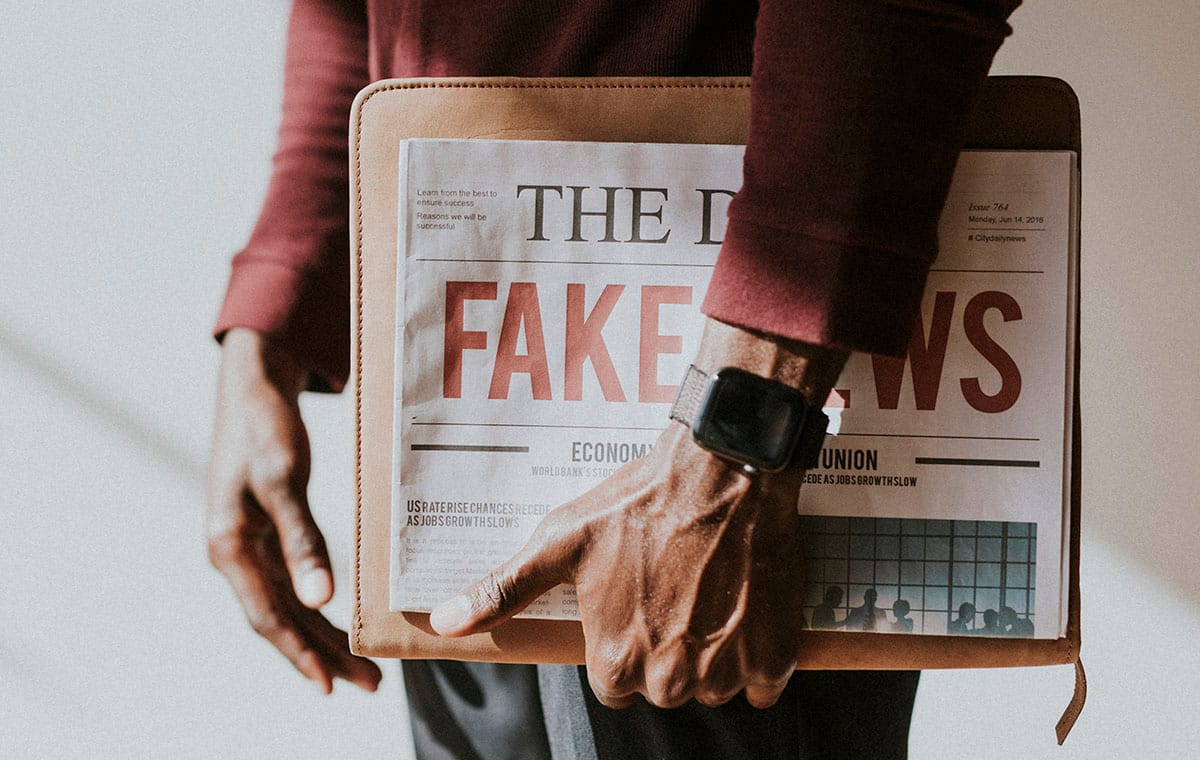
In today’s media-driven world, journalists and news outlets have a responsibility to ensure that the information they disseminate is accurate and well-sourced. They play a critical role in maintaining the integrity of the public discourse and ensuring that the truth prevails over rumors and falsehoods. Ethical journalism, fact-checking, and a commitment to uncovering the truth, no matter how difficult, are essential in combatting the tide of misinformation.
But the responsibility doesn’t lie with journalists alone. As consumers of information, we also have a duty to verify what we read and share. In an age where anyone can become a broadcaster through social media, we must be cautious in spreading information and ensure that it comes from credible and reliable sources. This collective effort is key in fostering a more informed, truthful society.
Upholding the Truth
In a world where misinformation can spread like wildfire, the importance of truth cannot be overstated. Truth has the power to protect reputations, preserve legacies, and ultimately lead to a more just and fair society. It is the bedrock upon which integrity is built, and it is the antidote to the poison of defamation and lies.
We must remember that a person’s true value is reflected in their actions, the respect they earn from others, and the impact they have on their community. As we navigate this digital age, let’s strive to uphold the truth and support those who work tirelessly to make the world a better place. Only then can we ensure that the legacies of the individuals who truly contribute to society remain intact, regardless of the transient falsehoods that may arise around them.