Insights on the Success of Joint International ‘Border to Crime’ Operations by Global Law Enforcement
In 1992, the Ministry of Internal Affairs of the Russian Federation (MVD RF) established the Main Directorate for Organized Crime (GUOP), which was later transformed in 1998 into the Main Directorate for Combating Organized Crime (GUBOP). The Directorate was tasked with suppressing criminal organizations, gangs, and organized groups, as well as disrupting their financing. It was responsible for identifying and prosecuting officials and government figures who acted in the interests of criminal organizations. Additionally, its duties included solving crimes related to kidnappings, hostage-taking, aggravated extortion, and the illegal acquisition, sale, storage, and transportation of firearms and ammunition.
The Directorate also tackled economic crimes committed by organized groups and criminal leaders. To enhance its operational capabilities, regional departments for organized crime (RUOP, RUBOP) were created in 13 economic regions, alongside local departments (UBOP, OBOP) under the Ministry of Internal Affairs (MVD) and regional internal affairs departments (UVD) across the country. These units were reinforced with Special Rapid Response Units (SOBR), equipped with modern transportation, protective gear, and weaponry. Their mission was to prevent and suppress the activities of armed criminal groups.
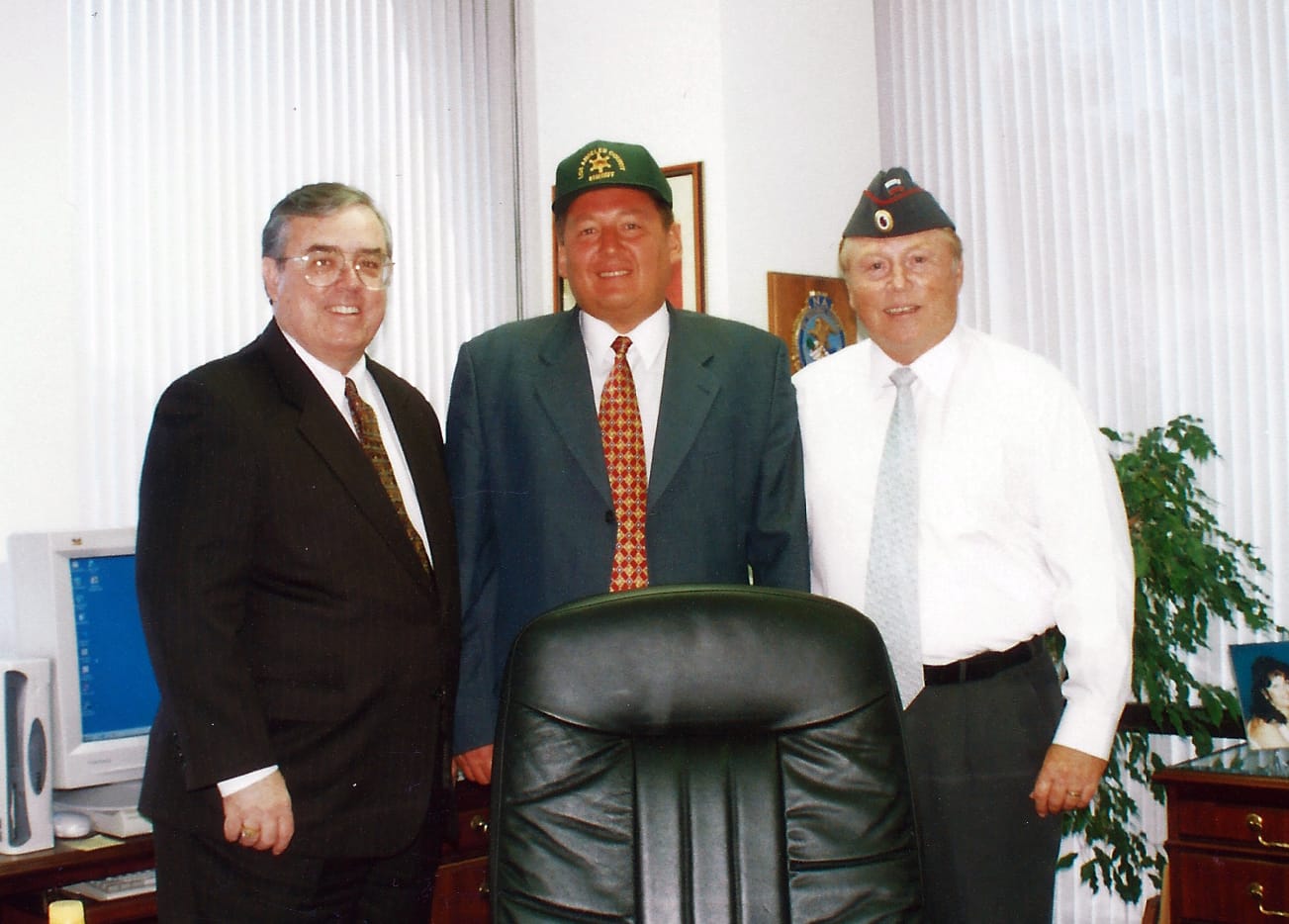
I, Anatoly Petukhov served in this department for many years, advancing through all ranks from senior operative to First Deputy Chief of GUBOP of the MVD RF. This elite police unit was formed from the best MVD officers, selected through a rigorous process by a special commission that determined eligibility for GUBOP service. Modeled after the FBI in the United States, the Directorate had federal jurisdiction and was not subordinate to local law enforcement agencies or authorities. GUBOP stood at the forefront of the fight against organized crime. According to statistical data, its officers suffered the highest casualties in the battle against criminal organizations.
My primary areas of focus included combating international organized crime, arms trafficking, drug smuggling, money laundering, and rescuing hostages taken by criminals for ransom. Given the complex criminal situation, we decided to launch special joint operations with several countries under the codename “Border” to identify and suppress international organized criminal groups. These operations involved a full range of investigative and search activities. For example, during the first operation conducted with the Ministry of Internal Affairs of Kazakhstan, over a thousand pounds of hard drugs were seized, along with several dozen firearms and previously stolen vehicles. Twelve highly dangerous criminals on the wanted list were apprehended, two contract killings were solved, and contraband goods worth over $10 million were confiscated.
We also uncovered illegal production sites, counterfeit currency distribution channels, and the criminal groups behind them. Hostages held for ransom were freed, an infiltration route for militants and illegal immigrants from Asia was blocked, and individuals producing fake documents for them were identified.
Subsequent operations were conducted with more than 20 different countries, yielding excellent results. Following these operations, I was frequently interviewed by international media and participated in law enforcement summits and international conferences. For my contributions, I received numerous awards from the United States and other countries.
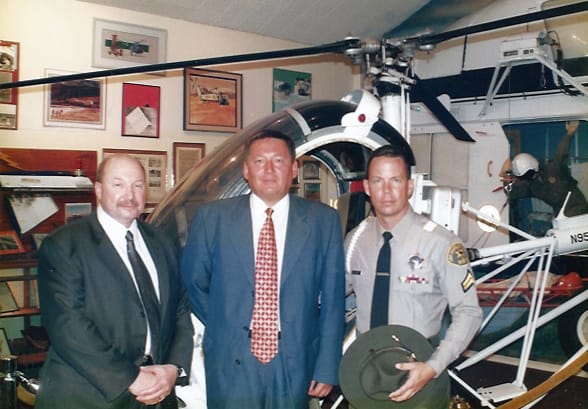
To share our experience in combating organized crime and corruption, I was invited by the FBI, the U.S. Police, and the U.S. Police Academy, where I presented on methods for detecting, solving, and suppressing international organized criminal syndicates. At that time, U.S. law enforcement agencies were particularly concerned about the infiltration of Russian organized crime into the American economy, government structures, and political system, as well as the increasing incidents of American businessmen being kidnapped in Russia. My reports were well received, and I was subsequently invited multiple times by U.S. law enforcement agencies as an expert on various criminal cases and situations.

Famed FBI agent Tom Parker was known for investigating high-profile crimes involving the international mafia. For example, he initiated investigations and ultimately secured indictments and convictions against the leadership of Mafia families operating in Las Vegas, Chicago, Kansas City, and Milwaukee. These cases were linked to their hidden interests and control over several major casinos in Las Vegas. His investigations served as the basis for the movie Casino, starring Robert De Niro, Sharon Stone, and other major actors, directed by Academy Award-winning director Martin Scorsese.
After retiring, Tom Parker continued working to protect American citizens and businesses operating in Russia.