Preventing Crime from Gaining Political Power
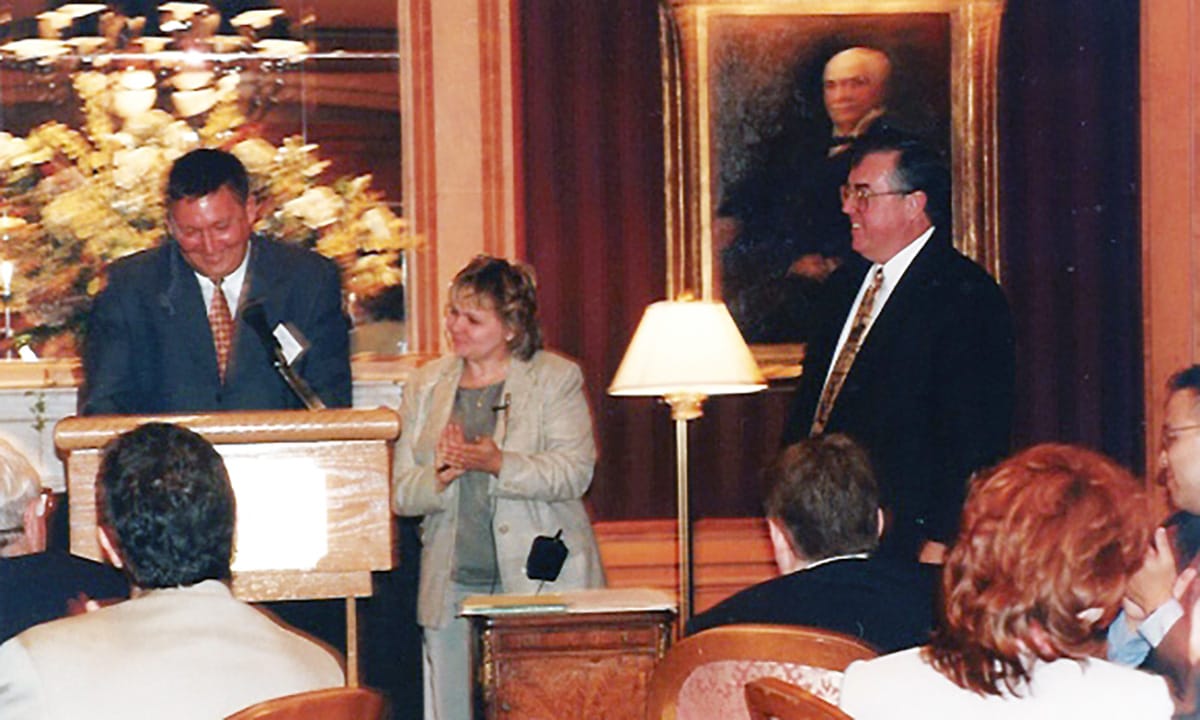
At the invitation of U.S. law enforcement agencies, I made several visits to the United States, where I provided reports and recommendations on strategies for combating international organized crime and preventing crime from gaining political power.
Studying International Crime Prevention Practices
During my tenure as First Deputy Chief of the Main Directorate for Combating Organized Crime within the Russian Ministry of Internal Affairs, holding the rank of Police General, I closely studied the practices of other countries in their efforts to combat international organized crime. I engaged in numerous meetings with the leadership and agents of Italy’s Financial Guard. A particular area of interest was understanding the evolution of Russian organized crime: whether it developed unique characteristics or followed patterns similar to those of the Italian, American, or Colombian mafias. While Russian criminal groups did not chart a completely unique course, there were distinct elements. Criminal organizations, both in Russia and internationally, skillfully exploited political and socio-economic instability, infiltrating not only the shadow economy—encompassing drug production, trafficking, and distribution—but also key sectors of the legitimate economy, such as energy, alcohol production, and the financial sector.
Global Expansion of Russian Organized Crime
The early stages of Russian organized crime’s expansion were rapid, and, according to our intelligence, the interests of Russian transnational criminal organizations extended across more than 40 countries. In the United States, ties with criminal elements within Slavic organizations, including the “Ivankovskaya” and “Mazutskinskaya” groups—comprising approximately 130 members—enabled these organizations to exert influence over financial systems, the oil industry, arms trafficking, drug distribution, tobacco and alcohol exports, human trafficking, illegal immigration, and money laundering operations.
Political Influence and Corruption
With substantial financial resources and extensive networks of corruption, the leaders of international organized crime began to establish cartels aimed at gaining political influence within both executive and legislative branches of government. In some instances, we documented cases of voter bribery, illicit financial transfers to officials’ accounts, and the creation of “friendly” media outlets designed to disseminate disinformation and foster favorable public perceptions of politically connected candidates with criminal ties. Their goal was to penetrate government structures, access budgetary resources, and divert them toward criminal objectives.
Intelligence and Preventive Measures
Equipped with detailed intelligence regarding the plans and intentions of Russian and international organized crime leaders, we conducted special operations and implemented preventive measures to block the infiltration of organized crime into political power in multiple countries.
International Cooperation and Operations
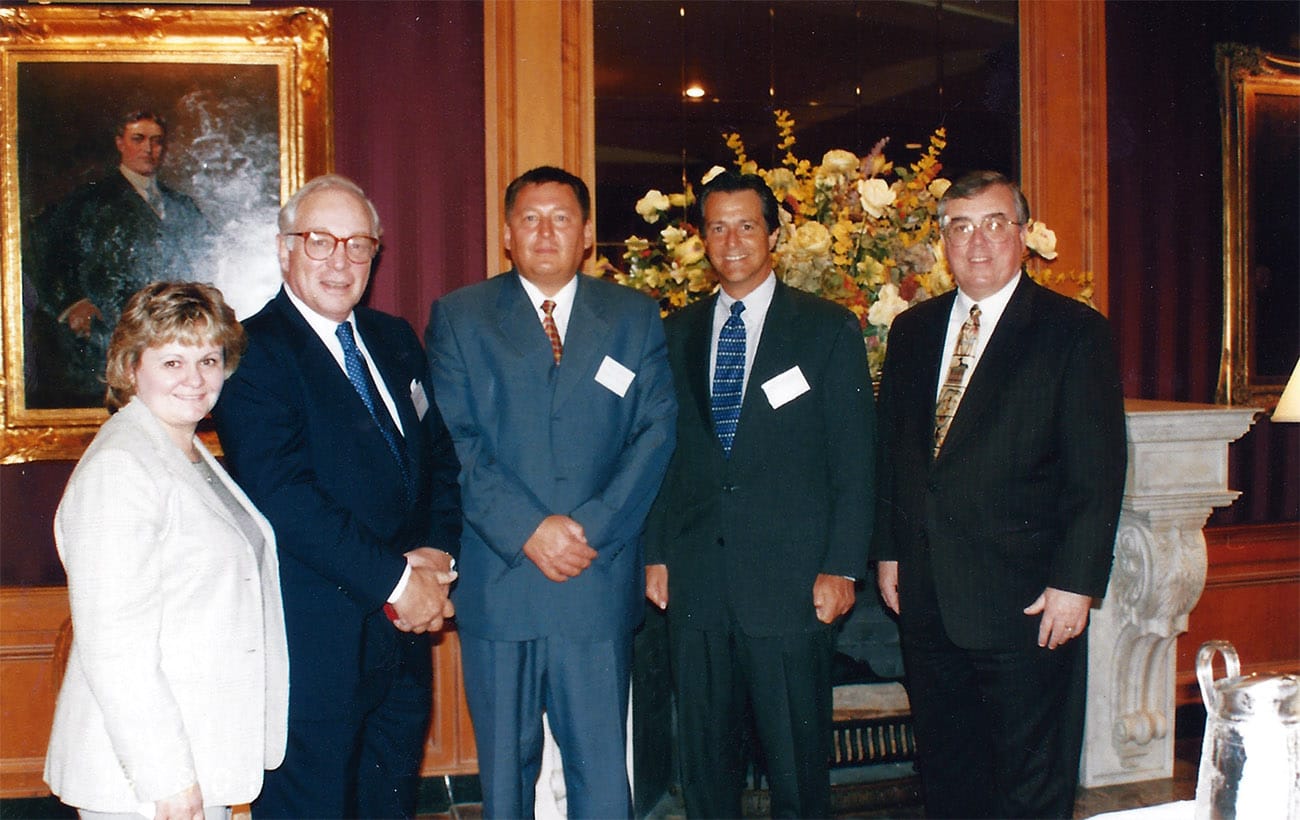
Several times a year, we coordinated international operations in collaboration with law enforcement agencies from other countries to apprehend high-ranking criminals, including organized crime leaders and fugitives from Russia. These operations also targeted corrupt individuals who had embezzled funds from bank depositors, with California frequently being a destination for such individuals at the time. In addition to these practical measures, Tom Parker and I worked to enhance awareness among law enforcement, the media, and the public regarding the threat posed by Russian organized crime. We participated in international conferences, delivering lectures on the methods used by criminal organizations, including their tactics for embezzlement and money laundering.
Contributions to U.S. Law Enforcement Efforts
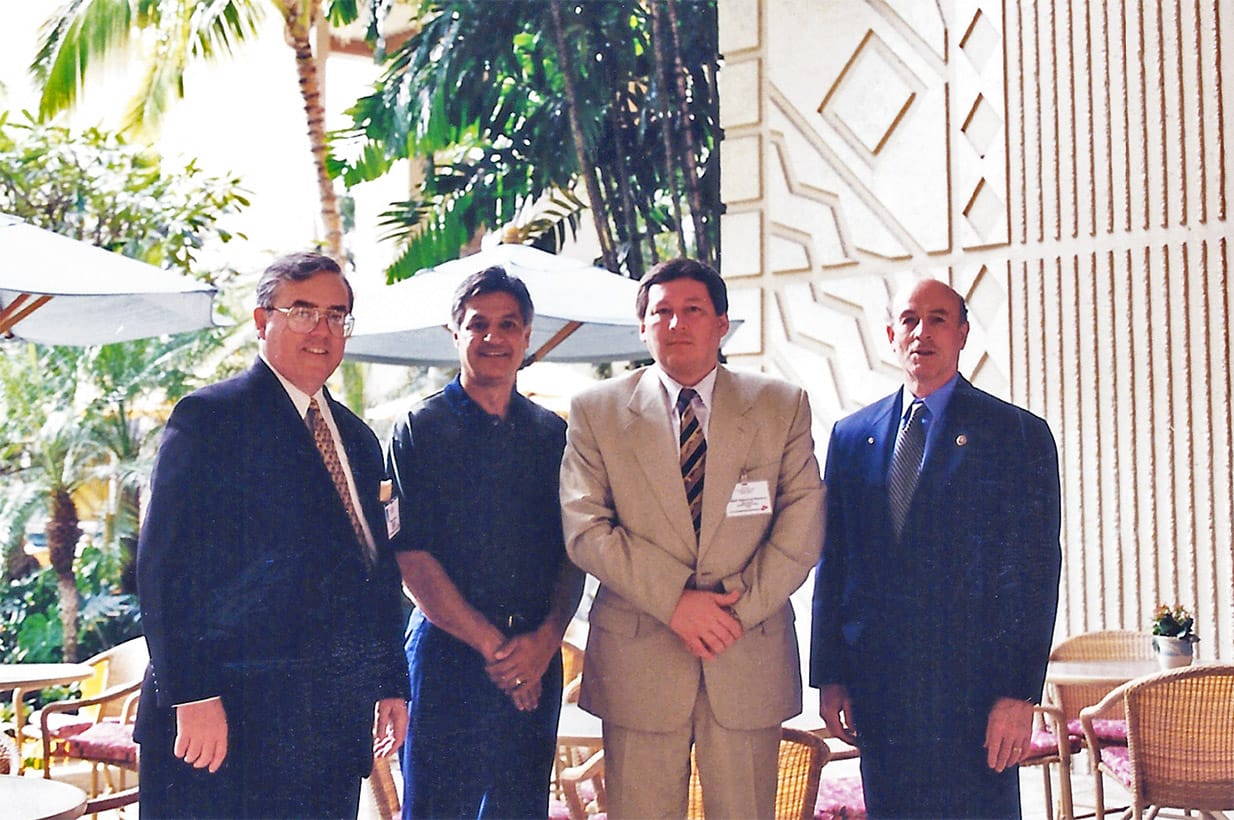
At the invitation of the FBI, U.S. prosecutors, law enforcement agencies, and members of Congress, I also participated in various conferences, offering expert assessments on strategies to counter the influence of organized crime within government institutions.